Château Castigno

I kept hearing about Château Castigno – how an investor had bought up most of the village of Assignan in the appellation of St Chinian and turned it into a hotel, with rooms scattered round the village – and built a cellar in the shape of a bottle. Then I heard that Clément Mengus whose wines I had enjoyed at Domaine de Cazaban in Cabardès was running the estate. So the moment was ripe for a visit.
Clément explained that he had arrived at Castigno in time for the 2021 vintage, but that the Belgium industrialist, Marc Verstraet, had bought vineyards and property in Assignan, in 2007. Marc had previously worked in metal packaging, namely metal barrels that could be cleaned and recycled. For him wine represented a complete change of lifestyle.
We met Clément the cellar. It is indeed in the shape of a bottle and the entrance is under the neck. Clément talked about his work. He is the general manager, with Marc allowing him complete freedom, almost as though he had his own estate, but with less financial constraints. He has a maître de chai and a chef de culture, but the wine-making decisions are his.

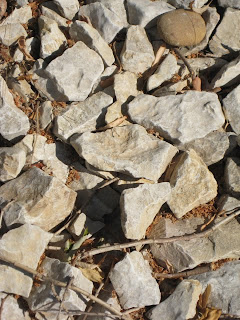
The cellar was built in time for the 2019 harvest. It took five years to get planning permission. And it certainly is an impressive investment. Clément explained that the vineyards are farmed biodynamically and the 30 hectares are registered with Demeter. And which grape varieties? Here goes for the list: Carignan, Grenache Noir, Syrah, Cinsault, Mourvèdre, Oeillade, a little Merlot and for whites, Grenache Blanc and Gris, Marsanne, Roussanne, Viognier, Carignan Blanc and Clairette. These were all already planted when Clement arrived and he has not changed the composition of the vineyards, but the work in the vineyards has evolved since 2007. The principal terroir is limestone, which makes for good acidity, and the vineyards are mostly on a plateau close by at about 280 metres.
Back in the cellar, there are tulip shaped cement vats, with flat bottoms. They put the destalked grapes at the bottom and the whole bunches on top. Clément favours long vinifications, and does not want to the juice in contact with the stalks. There are foudres, and stainless-steel vats for white wine, with double vats, allowing for smaller quantities. What Clément described as énormément de casseroles pour vinifier – in other words, a lot of saucepans for wine making. The smaller vats allow for some experimentation, and he tries out new things each year.

We admired the underground cellar, which is of course rare in the Languedoc. You can’t keep wine in barrel in a cellar above ground during the summer, even with humidifiers and air-conditioning. There are some demi-muids for longer ageing, and for fermenting some white wine. Clément is giving up on barriques, preferring demi-muids and foudres. The red wines are usually aged for one year in demi-muids and then blended, with a further year in foudres. Clément seasons any new barrels with the Merlot, which he doesn’t like.
There is a long table in the neck of the bottle, which provides a large tasting space for the public. They are open every day, with various options of visits. You need to book on line. And a quarter of their production is sold at the property.
Clement observed how the original style of the estate had favoured the heavier weight of Châteauneuf-du-Pape, as their first consultant oenologist , Philippe Cambis, came from Châteauneuf. However, Clément has worked very successfully to achieve a lighter style of wine.

And now to taste.
2023 Piknik. Les Beautés de Castigno. 13.00€
A blend of Grenache Blanc, Roussanne, Clairette, Carignan Blanc. Mainly vinified in a concrete vat; possibly one barrel. Dry white flowers. Very good acidity. Tight knit. Fresh, stony and youthful. Very focused. What a friend in Chablis would describe as Integriste - or purist.
2024 Trait de Lune No. 7 - 18.00€
Each wine is numbered and made only for one vintage, with something different each year
100% Carignan Blanc and 'a little Grenache Blanc for the appellation'.
12 months in demi-muids A little colour. Not a very expressive nose, yet. Very good acidity, and nicely enrobé, with some flesh around it. 12%. Very focussed. Carignan Blanc stays quite austere. In 2024 Clement tried a 12 hour maceration in an earlier vintage, but the wine lost its focus.
With so many different grape varieties, the harvest can last five to six weeks, though in 2024 the harvest took just three weeks. They have large teams of pickers, all local.
2021 Château Castigno Blanc, St Chinian - 31.00€
Clément’s first vintage. A blend of Grenache, Roussanne, Carignan Blanc, aged in wood, both foudres and demi-muids, for 12 months. Blended just before bottling.
Quite firm and focussed, with any oak background. Clément comments on how he is changing the style. Before there was more overripeness or surmaturité. He considers Roussanne to be an interesting variety. It changes the profile and is no longer all aged in wood. As for barrels, they no longer use Chassin, but favour Atelier Centre France and Stockinger, after trying four different coopers in 2022. He also likes steamed barrels, à la vapeur as opposed to toasted.
2024 No 8 - 18.00€
From destemmed Muscat, that spends ten months in amphora.
Lightly old gold colour. A dry Muscat nose and palate, but nicely restrained. Quite firm tannins. Intriguing.

2022 Bella Casta - 9.95€
Clement’s first wine. Grenache Noir, kept only in tank.
Medium colour. Very fresh red fruit. Quite discreet liqueur cherries. With a firm streak of tannin and quite a dry finish.
2022 Terra Casta -11.70€
90% Carignan with some Syrah. Mostly kept in vat, with a little barrel. Medium colour. Fleshier than Bella Casta with quite firm tannins. Medium weight. Youthful. A fresh finish.
2022 Trait de Lune. No 6. IGP Hérault. -18.00€
Complex without power. Pure Grenache. Very light colour, so that it almost looks like a Pinot Noir. Very elegant, with light tannins. Very intriguing. And indeed almost tastes like Pinot Noir. It has been made since 2016. Whole bunches are crushed and left to macerate for two weeks, and then pressed and fermented in barrel. In other words treated like a white wine. it is made in response to the fact that people are drinking less red and indeed much less powerful reds.
2020 Secret des Dieux, St Chinian - 20.00€
Quite a lot of oak ageing. Solid. Black olives.Lacks real fruit. Old style! Not Clément’s wine. The difference was immediate to observe and taste.
2021 No 3 St Chinian
Mainly Grenache. 24 months in tronconique vats. Good colour. Spicy Grenache. Fresh red fruit. Mediumweight. A juicy finish.
2021 Chateau Castigno - 31.00€
A blend of Grenache, Syrah, Carignan, Mourvèdre. All aged for 24 months in wood. Deep colour. Rounded spice. Quite solid and dense, with some oak, and acidity as well as tannin.
2022 Brut Nature - 20.00€
Méthode classique. Cinsault and Grenache noir, with 18 months sur lattes. Accounts for 15% of their production. A pretty pink. Dry raspberries on nose and palate. Nicely rounded palate.

And then we talked about future projects. Clément has only been at Castigno for five years, so in some ways he is still finding his feet, and he would like to get the estate better known. He is possibly considering more white wine and he would like to plant vineyards at a higher altitude.
And we finished our tasting with Fizzigno, a frothy Muscat, at just 6% and costing 2.80€
It was fun and fizzy, with the bubbles coming from added carbon dioxide.

The stone walls of the cellar look like the bark of a cork tree.

Comments